
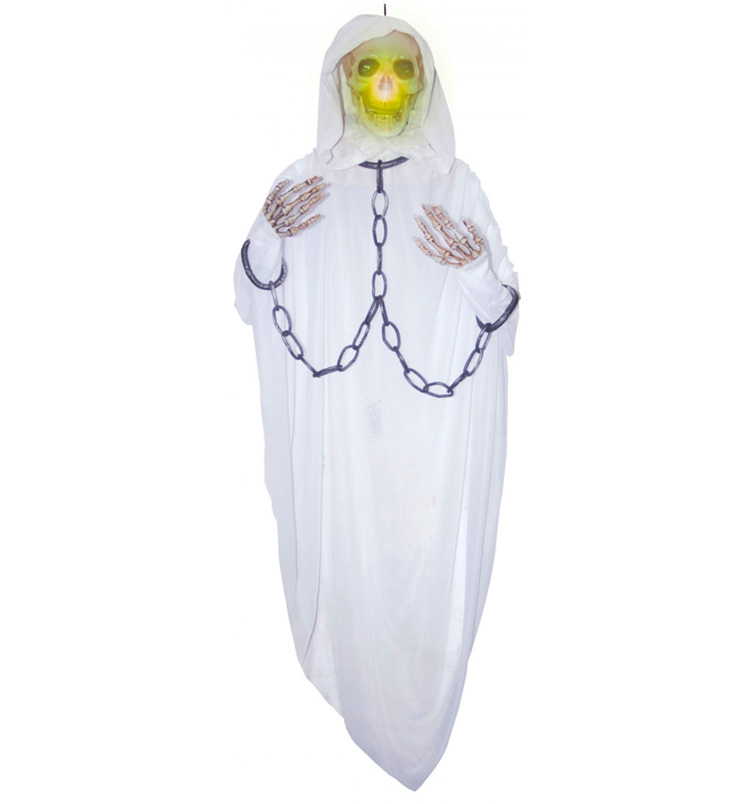
Halloween Decorations: How to Build a Complete Display
A complete Halloween display combines one theme, a clear focal point, layered lighting, and a safe route through the scene. More decorations do not automatically create more atmosphere; placement and timing matter.
This Costume King guide explains planning indoor and outdoor Halloween décor. Browse the related Halloween decorations and props while comparing the recommendations below.
Choose a story and focal point
A cemetery, witch’s workshop, haunted carnival, monster laboratory, or classic jack-o’-lantern porch gives every element a role.
Place the largest or most animated piece first, then support it with medium details and small foreground objects. Leave open space so the main feature remains visible.
Layer height, texture, and light
Mix ground-level pieces, eye-level characters, and hanging elements. Webbing, fabric, branches, crates, and tombstones can connect separate props.
Use low ambient color plus narrow accent lights. Backlighting creates silhouettes; side lighting reveals faces and texture without flattening the scene.
Add sound and movement selectively
One well-placed motion effect can be more memorable than several props activating together. Aim sensors away from traffic, branches, and pets.
Keep ambient audio below animated dialogue. Test the final scene after dark from both the street and the visitor path.
- Hide cords and bases.
- Keep exits and railings clear.
- Secure lightweight décor.
- Use electrical items only as directed.
Store decorations correctly
Dry every item before storage, remove batteries when instructed, and label hardware by prop. Support masks and molded pieces so they do not collapse.
Photograph the completed layout and cable routing; the reference will shorten setup next season.
Frequently asked questions
What should I buy first for a Halloween display?
Start with one focal decoration that defines the theme, then add lighting and supporting scenery.
How do I make inexpensive décor look better?
Limit the palette, group related pieces, conceal mechanics, and use directional lighting.
Can indoor decorations be used outside?
Only when the product instructions permit it and conditions meet the stated requirements.
When should I test the display?
Test safety in daylight and lighting, sensors, and sound after dark.

Leave a Reply
You must be logged in to post a comment.